
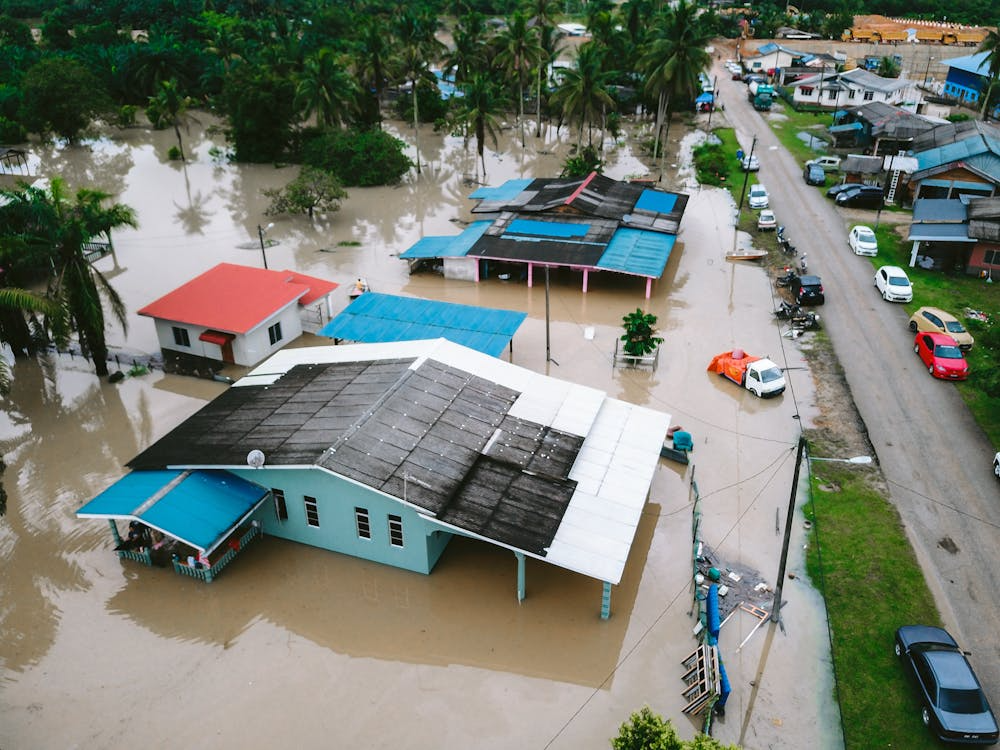
The spikes in weather-driven lifestyle searches reveal how weather acts as a psychological catalyst, pushing people to reassess safety, stability, and preparedness.
When extreme weather hits the news, search behavior shifts in ways that go far beyond forecasts. A hurricane in one region can spark nationwide searches for home generators. A heat wave can trigger interest in relocation, insulation, or even lifestyle changes that seem unrelated at first glance.
Severe Weather Turns Abstract Risk Into Personal Concern
Most people intellectually understand that weather can be dangerous, but that awareness often remains abstract until a dramatic event dominates headlines. Once images of flooding, wildfires, or blizzards circulate widely, the risk feels immediate, even to those far from the affected area.
This is when lifestyle searches begin to rise. People aren’t just checking forecasts; they’re asking what they should do. Queries shift toward emergency kits, home reinforcements, insurance coverage, and evacuation planning. The weather event functions as a trigger, transforming passive awareness into active problem-solving.
Search engines become a first-response tool for people trying to close the gap between “this could happen” and “what if it happens to me?”
Explore Search Patterns That Hint at What People Are Preparing For to understand early signals of adaptation.
Media Coverage Expands the Impact Beyond the Storm Zone
Weather-related search spikes often extend far beyond the regions experiencing the event. Continuous national coverage reframes local disasters as universal cautionary tales. A wildfire in one state can drive searches for defensible space, air purifiers, or fire-resistant building materials across the country.
This happens because media narratives emphasize scale, frequency, and unpredictability. When weather events are framed as part of a broader pattern rather than isolated incidents, people begin to evaluate their own vulnerability. The question shifts from where the event occurred to whether similar conditions could happen locally.
As a result, lifestyle searches reflect preparation rather than proximity.
Check Why People Suddenly Care About Data Privacy After Major Leaks for parallels in control-seeking behavior.
Weather Events Prompt Reassessment of Home and Location
One of the most striking effects of extreme weather coverage is the surge in home- and location-related searches. After major storms or heat waves, people often look up flood zones, wildfire risk maps, or climate exposure for areas they already live in.
In more severe cases, this curiosity escalates into research on relocation. Searches for “best places to live to avoid hurricanes” or “states with mild weather year-round” tend to spike after repeated extreme events. These searches aren’t impulsive moves; they are exploratory signals of long-term concern.
Weather becomes a lens through which people reevaluate what “safe,” “comfortable,” and “sustainable” mean for their future.
Read What Home-Related Searches Say About Security and Belonging for insight into housing-driven concern.
Lifestyle Searches Reflect a Desire for Control
Unexpected lifestyle searches following weather events are often rooted in a simple psychological need: regaining control. When nature appears unpredictable, people seek information that restores a sense of agency.
This is why practical queries surge alongside more symbolic ones. People search for backup power solutions, as well as for off-grid living, minimalist housing, or self-sufficiency skills. Even if they never act on these ideas, the act of searching provides reassurance.
These patterns show that weather-driven searches are not just about preparation. They are about emotional regulation in the face of uncertainty.
See What Rising Searches Reveal About Collective Anxiety to connect weather fear with emotional regulation.
Search Data Captures the Early Stages of Adaptation
What makes these search spikes especially valuable is their timing. Lifestyle changes don’t happen overnight, but searches often mark the earliest phase of adaptation. Before people invest in renovations, move to a new location, or change their routines, they gather information.
In this way, weather-related search behavior functions as a preview of broader shifts. Rising interest in insulation, cooling solutions, or disaster planning often precedes real-world demand. The searches signal what people are considering long before those considerations turn into action.
Weather events don’t just disrupt daily life. They quietly reshape how people think about where and how they live.